Westfield Stratford garden care guide for gardeners
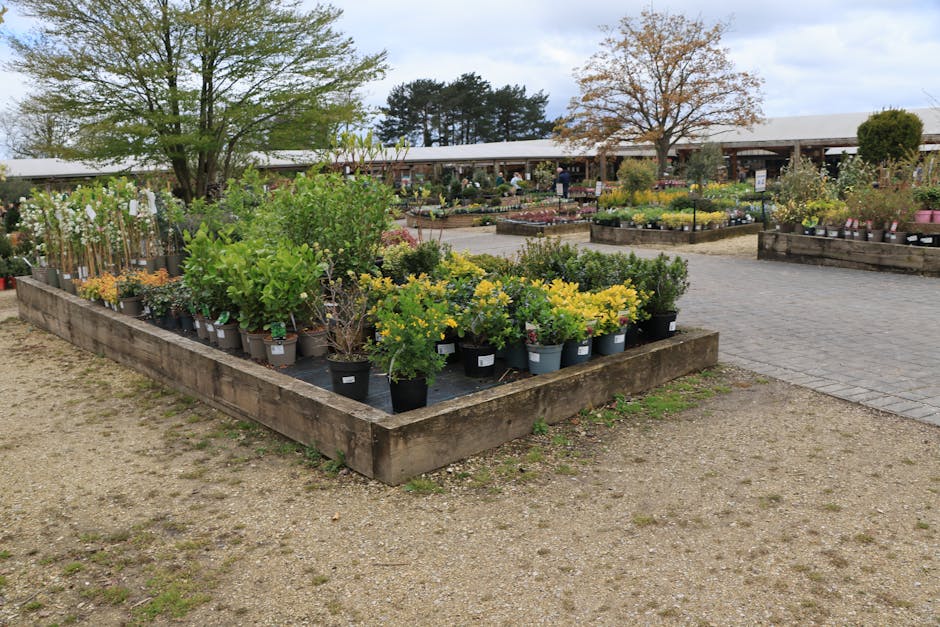
If you are looking for a practical Westfield Stratford garden care guide for gardeners, you are probably after something more useful than generic plant advice. You want straight answers: how to keep a small city garden healthy, how to deal with busy footfall and shade, what to prune, when to mow, and how to stop a tidy space sliding back into a mess after one rainy week. Truth be told, gardens around Stratford often have their own quirks, and that is exactly why a local, real-world guide matters.
This article walks through the essentials in a way that works for homeowners, landlords, tenants, and professional gardeners alike. You will find a simple process, practical maintenance tips, common mistakes to avoid, and a few local considerations that make a noticeable difference in everyday garden care.
Why Westfield Stratford garden care guide for gardeners Matters
Gardens in and around Westfield Stratford tend to live in a constant balance between use and upkeep. They may be compact, overlooked by buildings, exposed to wind between blocks, or shaded for part of the day. Some get heavy use from families and pets. Others are more decorative, with planters, containers, lawns, or a few raised beds squeezed into limited space. Either way, they need a plan, not random bursts of effort when things get out of hand.
A solid garden care routine saves time and money over the long run. It also helps you spot small issues before they turn into bigger jobs: a hedge that is shading too much, soil that is compacted and struggling to drain, a lawn that is thinning, or a fence line that is being swallowed by climbers. In a busy part of London, the garden often gets treated like the last thing on the list. That works for a while. Then suddenly it doesn't.
Local garden care also matters because the environment is not always forgiving. Wind tunnels, mixed light, pollution, and heavy use all influence how plants behave. A garden that looks fine in spring can look tired by late summer if you do not adapt watering, mowing, trimming, and feeding to the conditions. That is where a structured guide helps. It gives gardeners a repeatable way to keep the space manageable without overcomplicating it.
Expert summary: The best garden care in Stratford is usually not about doing more. It is about doing the right jobs at the right time, in the right order, and keeping the garden stable enough that small issues never become weekend-eating disasters.
How Westfield Stratford garden care guide for gardeners Works
Think of garden care as a cycle rather than a one-off clean-up. The basic pattern is simple: inspect, clear, trim, feed, water, protect, and review. Once you understand that rhythm, you can adapt it to almost any garden type, from a paved courtyard with pots to a family garden with lawn, hedges, and borders.
A useful working method is to split your maintenance into three layers:
- Weekly care for visible upkeep such as watering, light weeding, mowing, and removing dead material.
- Monthly care for pruning, hedge shaping, edging, soil checks, and checking for pests or disease.
- Seasonal care for deeper work such as soil improvement, planting, clearing, cutting back, and refreshing tired areas.
The nice thing about this approach is that it keeps the workload realistic. You do not need to transform the whole garden every time. In fact, trying to do everything at once is often what causes problems. A hedge trimmed too hard, a lawn scalped, a bed stripped bare - seen it all before, and none of it ages well.
Good garden care also depends on choosing the right service support when needed. For example, regular garden maintenance can keep a space under control, while lawn mowing and hedge trimming handle the most visible parts of the garden's appearance. If the garden has become heavily overgrown or cluttered, garden clearance may be the more sensible starting point.
Key Benefits and Practical Advantages
A well-planned garden care routine gives you more than a neat border and a clipped lawn. It changes how the whole space feels and functions day to day.
- Healthier plants: Regular care helps plants get better light, airflow, and space to grow.
- Less mess and faster recovery: Small tasks done often are easier than major rescue jobs later.
- Better kerb appeal: A tidy garden tends to make the whole property feel more cared for, even if the planting is simple.
- Safer outdoor spaces: Removing trip hazards, broken branches, and slippery buildup matters, especially where children or older residents use the garden.
- More usable space: A trimmed and organised garden is simply easier to enjoy, whether for sitting out, growing, or playing.
- Clearer decision-making: Once you know what is thriving and what is struggling, you can plan improvements properly rather than guessing.
There is another advantage people sometimes overlook: stress reduction. A garden that feels under control is easier to live with. You open the back door and think, yes, this is manageable. That small feeling is not nothing. In fact, it is often what people are really paying for when they invest in proper outdoor care.
For properties with design features such as patios, sleeper beds, or timber structures, tidy maintenance also protects adjacent installations. If you are thinking beyond the planting itself, it may make sense to look at landscaping or even decking services where the garden layout needs improvement rather than just routine care.
Who This Is For and When It Makes Sense
This guide is for people who need their garden to work in real life, not just photograph well after a tidy-up. That includes several groups.
- Homeowners who want a reliable maintenance rhythm without spending every weekend fighting weeds.
- Renters who need to keep outdoor space respectable and easy to hand back in good condition.
- Landlords and property managers who want gardens to stay presentable between tenancies.
- Gardeners and landscapers looking for a practical framework they can adapt to local conditions.
- Busy families who need simple, repeatable upkeep that does not become another full-time job. Let's face it, nobody wants the garden to become the loudest chore in the house.
It makes sense to follow a structured care guide when the garden starts showing any of these signs:
- the lawn looks patchy or uneven
- hedges are blocking light or overhanging paths
- beds are full of weeds after a wet spell
- pots dry out too quickly in warmer weather
- there is leaf build-up, moss, or debris after windy days
- you keep postponing the same jobs because they feel too big
If the garden has mature trees, structural issues, or awkward slopes, it may also be worth considering specialist help. Services like tree lopping and removal or broader landscape gardening can become relevant where routine maintenance is not enough.
Step-by-Step Guidance
A good garden care routine does not need to be complicated. Keep it practical. Keep it repeatable.
1. Start with a full walk-through
Begin at the gate or back door and look at the garden as a whole. Notice where the light falls, where water collects, where growth is fastest, and which areas look tired. Check borders, paths, pots, fences, lawn edges, and any features that need attention. You will often spot the real problem in the first two minutes.
2. Remove obvious debris first
Pick up fallen branches, dead leaves, broken pots, faded annuals, and anything that blocks access. Clearing the surface makes everything else easier. It also gives you a clearer picture of the garden's actual condition. If the space is seriously overgrown or full of waste, start with a more robust tidy-up using garden clearance before trying to refine the details.
3. Work on the lawn, if there is one
A lawn usually sets the tone for the whole garden. Mow when the grass is dry enough to cut cleanly, and avoid removing too much at once. If the grass has become long, reduce it gradually. Sharp blades matter. Dull blades tear rather than cut, leaving the lawn looking frayed and a bit unhappy. Not dramatic, but not ideal either.
4. Trim hedges and overgrowth carefully
Hedges should usually be shaped with restraint, not hacked back into submission. Light, regular cutting keeps them denser and more manageable. Overgrown hedges can shade borders and push plants out of balance, so it is worth keeping on top of them. A tidy hedge line also helps the whole garden feel more intentional.
5. Weed, edge, and define the space
Weeding is not glamorous, but it makes a massive visual difference. Focus on roots where possible, not just visible leaves. Refresh edging along beds, lawns, and paths so the garden has clean boundaries. A small edge can make a modest garden look ten times sharper. Honestly, it is one of those tiny jobs that punches above its weight.
6. Check soil and watering needs
Different areas of the garden will need different attention. Containers dry out quickly. Shaded beds hold moisture longer. Heavy clay areas can stay wet, while sheltered patios may need regular watering in warmer weather. Water deeply rather than just lightly dampening the surface, and avoid flooding soil that is already saturated.
7. Feed and refresh where needed
Plants use up nutrients over time. Depending on the planting scheme, you may need compost, mulch, or a suitable feed to restore vigour. Mulching around shrubs and borders can help retain moisture and suppress weeds. It also makes beds look more finished, which is a nice bonus.
8. Inspect for pests, disease, and damage
Look under leaves, along stems, and around soil level for signs of stress. Yellowing, spots, holes, or dieback can all point to different issues. Do not panic at every blemish. Plants are not showroom furniture. But do act early if something looks consistently wrong.
9. Put a maintenance date in the calendar
The final step is the one people skip, and that is usually where the trouble begins. Set a next review date. Even a simple reminder every two weeks can stop jobs from stacking up. Small routine, big payoff.
Expert Tips for Better Results
If you want garden care that lasts longer and looks better, a few field-tested habits help a lot.
- Prune for shape and airflow, not just size. Plants do better when air can move through them. It reduces dampness and makes maintenance easier.
- Use mulch with intent. Do not pile it against stems. A neat layer around the root area is far more useful.
- Watch the garden after rain. Wet weather reveals drainage problems, sloping issues, and weak patches much more clearly than a dry day does.
- Work with the garden's rhythm. Some plants respond best to light regular attention, others need seasonal cutting back. Knowing the difference saves time.
- Keep tools sharp and clean. It sounds fussy, maybe, but clean cuts and well-kept tools really do make better results.
- Take one small win per visit. If you only have twenty minutes, finish one visible job. You will feel better, and the garden will too.
A useful professional habit is to think in layers: surface tidy, plant health, then structural improvements. If the first two layers keep failing, the layout may need a rethink rather than just more labour. That is where broader design support from landscaping or a more creative approach to landscape gardening can be worthwhile.
And here is a slightly unglamorous truth: a garden does not need to be perfect to be lovely. It just needs to be cared for consistently. Perfection is expensive. Consistency is much kinder.
Common Mistakes to Avoid
Most garden problems do not start with one dramatic failure. They start with small, repeated mistakes.
- Cutting too much at once: This is one of the fastest ways to stress a hedge or lawn.
- Ignoring drainage: If water sits in the same area after rain, the soil structure may need attention.
- Leaving clear-up jobs until the end of the season: By then, they are heavier, messier, and less pleasant.
- Using the wrong tool for the job: A blunt lopper, a too-small mower, or the wrong pruner can make more work, not less.
- Overwatering containers: Pots can dry fast, but soggy roots are just as damaging as dryness.
- Forgetting seasonal timing: Some plants are fine with winter cuts, others are not. Timing matters.
- Trying to rescue everything in one weekend: That usually ends in tired arms, half-finished beds, and a cup of tea that has gone cold. We have all been there.
Another common issue is treating all growth as a problem. Sometimes a plant is simply doing what it is meant to do. The trick is knowing whether to shape, reduce, relocate, or leave it alone. That judgment comes with experience, and a little patience helps too.
Tools, Resources and Recommendations
You do not need a van full of gear to keep a Stratford garden looking good. A sensible, compact kit is usually enough.
- Hand pruners: Best for small stems and precise cuts.
- Loppers: Useful for thicker growth that hand pruners cannot handle cleanly.
- Hedge trimmer: Helpful for regular shaping where hedges are part of the garden structure.
- Rake and leaf scoop: Good for seasonal tidy-ups and clearing debris.
- Spade or border fork: Useful for turning soil, edging, or planting.
- Watering can or hose setup: Important for containers and new planting, especially during warm spells.
- Gloves and sturdy footwear: Basic, but worth saying. Gardens love hidden surprises.
If you manage a larger or more demanding outdoor space, it is sensible to use support services strategically rather than buying every tool under the sun. Regular garden maintenance can handle recurring jobs, while lawn mowing and hedge trimming may be the most time-saving tasks to outsource.
For bigger improvements, a tidy-up alone may not be enough. If paths are awkward, planting is cramped, or the layout no longer fits how you use the space, it can be worth reviewing landscape gardening options or exploring practical reshaping through landscaping.
Law, Compliance, Standards, or Best Practice
Garden care is not usually a heavily regulated topic for the average homeowner, but there are still sensible standards and responsibilities to keep in mind. In the UK, good practice means working safely, disposing of waste responsibly, and avoiding avoidable harm to people, property, and wildlife.
If you are hiring help, look for clear communication about safety, insurance, and working methods. It is reasonable to expect contractors to operate with suitable care around ladders, machinery, sharp tools, and waste handling. You should also expect them to be sensible about access, neighbouring properties, and surface protection. A tidy result matters, but so does how it is achieved.
For example, if a task involves major tree work or removing large branches, that is not the same as light pruning. A more careful assessment may be needed, and a specialist approach can be appropriate. That is where services such as tree lopping and removal may be more relevant than general garden maintenance.
Waste and recycling are another practical consideration. Garden materials should not just be dumped without thought. Compostable material, woody cuttings, and mixed waste all need sensible handling. If environmental handling matters to you, it is worth asking how waste is managed and whether green material is reused or recycled where possible. A company's recycling and sustainability approach can be a useful signal here.
For service expectations, it is also sensible to check pricing clarity, job scope, and payment terms before work begins. Transparent pricing and quotes are not just a nice extra; they help prevent confusion later. Nobody enjoys awkward surprises halfway through a job.
Options, Methods, or Comparison Table
Different gardens need different methods. Here is a simple comparison to help you choose the right approach.
| Approach | Best for | Strengths | Limitations |
|---|---|---|---|
| DIY routine care | Small to medium gardens with manageable growth | Low cost, flexible timing, good for light upkeep | Can become time-consuming; easy to fall behind |
| Regular maintenance support | Busy households, landlords, repeat upkeep needs | Consistent results, less stress, fewer build-ups | Less hands-on control; ongoing commitment |
| Clearance first, then maintenance | Overgrown or neglected gardens | Resets the space quickly and makes future care easier | More intensive at the start |
| Design-led improvement | Spaces that feel awkward, cramped, or outdated | Improves usability and long-term layout | Usually a bigger project than basic upkeep |
In practice, many gardens need a blend of these. A front garden may only need simple mowing and seasonal tidying, while a rear garden could need clearance, hedge work, and layout changes. There is no prize for forcing one method onto everything.
Case Study or Real-World Example
Imagine a small Stratford garden behind a terraced property. It has a patchy lawn, two overgrown shrubs, a border full of weeds, and a paved area that collects leaf litter after windy days. Nothing catastrophic. Just enough to feel neglected.
The first step is a walk-through and clearance of debris. Then the lawn is cut back gradually rather than scalped, the shrubs are shaped lightly, and the border is weeded and mulched. The paved area is cleared properly so it stops feeling like an afterthought. A few weeks later, the owner notices something simple but important: the space is now easy to maintain. That matters more than any single "before and after" moment.
If the same garden had also included awkward levels or tired hard landscaping, the next stage might have involved a layout review through landscaping or a more design-led refresh. But often, honestly, the biggest win comes from restoring order first.
One local pattern that comes up often is this: people do not mind the occasional untidy patch, but they do mind a garden that feels out of control every time they look at it. That emotional shift is very real. Once the garden is back in rhythm, it becomes much easier to enjoy a coffee outside, hang washing, or let the kids play without dodging clutter.
Practical Checklist
Use this checklist as a quick seasonal or monthly prompt.
- Walk the garden and note what has changed since the last visit
- Remove debris, dead material, and obvious trip hazards
- Check lawn height and mow if needed
- Trim hedges and shrubs lightly where growth is becoming untidy
- Weed borders and edges before the problem spreads
- Look for signs of pests, disease, or water stress
- Refresh mulch or compost where soil looks tired
- Water containers and new planting appropriately
- Review drainage after heavy rain
- Schedule the next maintenance date before you forget
If the list feels too long, start with the first three. That is often enough to shift a garden from neglected to manageable in one session. Small progress counts.
Get a free quote today and see how much you can save.
Conclusion
A good Westfield Stratford garden care guide for gardeners is really about making outdoor space easier to live with. Keep the rhythm steady, focus on the jobs that matter most, and do not let small issues stack up into bigger problems. Whether you are maintaining a neat urban garden, rescuing an overgrown one, or planning something more ambitious, the same principles apply: start with clarity, work in stages, and stay consistent.
If your garden needs more than routine care, it may be time to explore support that fits the job properly. That could mean regular maintenance, clearance, hedge work, lawn care, or a broader rethink of the space. Whatever route you choose, the goal is the same: a garden that feels calm, usable, and worth stepping into. And really, that is the whole point.
If you want to learn more about the people behind the service, take a look at about us, or if you are ready to move things forward, use the contact us page to get started.
Frequently Asked Questions
What does a garden care guide for Stratford gardeners usually cover?
It usually covers the main maintenance tasks: mowing, pruning, weeding, watering, border care, seasonal tidy-ups, and deciding when a garden needs clearance or larger improvements.
How often should a garden in Westfield Stratford be maintained?
That depends on the size and planting, but most gardens benefit from weekly or fortnightly attention for the basics, with deeper seasonal work every few months. Busy, shaded, or fast-growing gardens often need more frequent checks.
Is regular garden maintenance better than one-off tidy-ups?
Usually, yes. Regular maintenance stops jobs becoming overwhelming and keeps plant growth more balanced. One-off tidy-ups are useful, but they are rarely enough on their own for long-term control.
When should I choose garden clearance instead of normal maintenance?
If the garden is heavily overgrown, cluttered, or difficult to access, clearance is often the better starting point. Maintenance works best once the space is already under control.
What is the best time of year to trim hedges?
It depends on the hedge type and how fast it grows. Many hedges benefit from light, regular shaping during the growing season, but heavy cutting should be timed carefully. If unsure, a cautious approach is safer than a hard cut.
How do I keep a small urban garden looking tidy without spending all weekend on it?
Focus on visible wins: mow or neaten the lawn, clear debris, weed borders, and trim edges. A short, regular routine works far better than occasional marathon sessions. One tidy hour can beat three chaotic ones.
Do I need specialist help for trees in my garden?
If branches are large, high, or close to structures, it is wise to use specialist help rather than treating it like ordinary pruning. Trees can be unpredictable, and safety matters more than speed.
What should I look for in a professional gardener?
Look for clear communication, sensible safety practices, a realistic plan, and transparent pricing. It also helps if they understand local conditions and can explain what needs doing without overcomplicating it.
Can landscaping make garden maintenance easier?
Yes. Better layout, improved drainage, smarter planting, and more practical surfaces can reduce ongoing maintenance. Sometimes a garden is hard work because the design is fighting the way you actually use it.
How can I tell if my lawn needs more than just mowing?
If the lawn is patchy, compacted, mossy, or thin in the same places every time, it may need more than a cut. Aeration, feeding, reseeding, or drainage improvement may be worth considering.
What is the biggest mistake gardeners make with overgrown spaces?
Trying to fix everything at once. That usually leads to tired, rushed work and a bigger mess than expected. A staged approach is calmer, safer, and usually gives better results.
Where can I find more information about service standards and policies?
You can review practical service details through pages like services overview, insurance and safety, and health and safety policy for a clearer sense of expectations before booking.